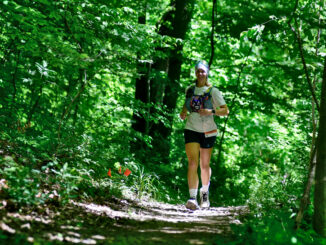
The word is out: trails are good for your health.
Physical activity, such as running, cycling and hiking, has been “proven to help prevent and manage noncommunicable diseases such as heart disease, hypertension, stroke, diabetes and several cancers,” according to the World Health Organization.
Hitting the trails helps maintain a healthy body weight and improves mental health, quality of life and well-being.
“Popular ways to be active include walking, cycling, wheeling, sports, active recreation and play, and can be done at any level of skill and for enjoyment by everybody,” WHO notes.
The organization estimates that 33% of adults and 81% of children fail to reach a healthy level of daily physical activity.
More: Registration details announced for Mohican Trail Run
“Sedentary behavior is periods of low energy expenditure such as sitting and watching TV,” WHO notes. “Both sedentary behavior and inadequate levels of physical activity have negative impacts on health systems, the environment, economic development, community and individual well-being and quality of life.”
Parks and trails enhance physical activity
Parks, trails and other recreation facilities are some of the best places for people to enjoy the benefits of physical activity, according to the Centers for Disease Control and Prevention.
“People with safe access to parks and recreation facilities tend to be more physically active than individuals with barriers to access,” CDC notes. “People are more likely to walk or bike to parks or recreational facilities if the individuals live nearby.”
Safe access to parks, trails and other green spaces often leads to an increase in physical activity among area residents.
Hiking helps people live longer
Hiking is a “low-cost, accessible intervention to promote health benefits,” according to the National Institutes of Health.
The risk of a sedentary lifestyle is “a significant increased risk for mortality.”
“Hiking is a cost-effective intervention that encourages people to be physically active while spending time in nature,” NIH notes. “Time in nature can lead to health benefits through contact with the natural elements, participation in physical activity, restoration of mental and emotional health and time with social contacts.”
Immediate benefits are decreased blood pressure, decreased stress levels, enhanced immune system functioning and restored attention.
Over time, trail activities will lead to weight loss, decreased depression and overall wellness.
“Health care providers are ideally positioned to recommend and prescribe hiking to clients,” NIH notes. “Federal, state and local natural resource agencies are beginning to partner with health care professionals to promote outdoor nature-related activities.”